Electrical cabinets are essential components in industrial power distribution systems. They control, distribute, and protect electrical power for factories, commercial buildings, renewable energy installations, and infrastructure projects.
However, when electrical cabinets fail, the consequences can be severe. Equipment damage, production downtime, and even electrical fires may occur if problems are not detected and addressed in time.
In many cases, electrical cabinet failures are not caused by a single component but by a combination of design flaws, poor installation practices, or lack of maintenance. Understanding the most common failure causes can help engineers and facility managers improve system reliability and prevent costly accidents.
This article explores the most frequent electrical cabinet failures and explains how proper design and component selection can significantly reduce these risks.
1. Overheating Caused by Poor Electrical Connections
Overheating is one of the most common problems in electrical cabinets. Excessive heat can damage insulation materials, shorten equipment lifespan, and increase the risk of electrical fires.
One major cause of overheating is loose electrical connections. When connections between conductors are not properly tightened, electrical resistance increases. As current flows through the connection point, the increased resistance generates heat.
Over time, this heat buildup can damage nearby components and create dangerous hot spots inside the cabinet.
Overheating often occurs in areas such as:
Busbar connections
Cable terminals
Circuit breaker contacts
Fuse holders
To prevent overheating, engineers should ensure that all electrical connections are installed according to the recommended torque specifications. High-quality busbar systems and well-designed connection points also help maintain stable electrical contact over extended periods.
Regular thermal inspections using infrared cameras can help identify hot spots before they lead to serious failures.
2. Busbar Faults Due to Inadequate Mechanical Support
3. Electrical Surges Damaging Sensitive Equipment
Voltage surges are another common cause of electrical cabinet failure. Surges may be triggered by lightning strikes, switching operations, or disturbances in the power grid.
Although surges typically last only a fraction of a second, the voltage spike can be extremely high and capable of damaging sensitive equipment.
Electronic devices such as PLC controllers, monitoring systems, and communication modules are particularly vulnerable to surge damage.
Without proper protection, a single lightning surge can destroy multiple devices inside a cabinet.
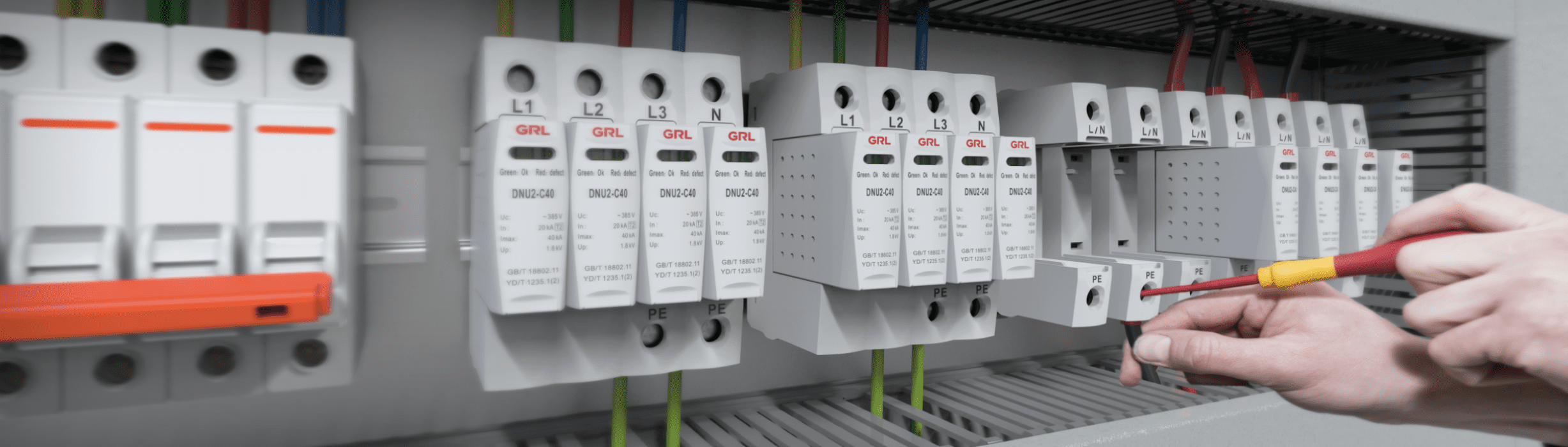
To mitigate this risk, modern electrical cabinets should include surge protection devices (SPD). These devices detect abnormal voltage spikes and redirect the excess energy safely to the grounding system.
Proper surge protection design may involve multiple layers of protection, including devices installed at the main power entry and additional protection for sensitive control circuits.
4. Insulation Failure and Electrical Tracking
Electrical insulation plays a critical role in preventing unintended current flow between conductive components. When insulation materials degrade or become contaminated, electrical tracking or short circuits may occur.
Several factors can contribute to insulation failure inside electrical cabinets.
Dust accumulation may create conductive paths across insulating surfaces. High humidity can reduce insulation resistance and increase the likelihood of leakage currents. Overheating can also degrade insulation materials over time.
If insulation failure occurs between phases or between a conductor and the cabinet structure, a serious electrical fault may develop.
To reduce these risks, cabinets should use high-quality insulators and insulation materials that are resistant to heat, moisture, and environmental contaminants.
Proper cabinet sealing and ventilation can also help maintain stable operating conditions inside the enclosure.
5. Incorrect Protection Device Selection
Another common reason for electrical cabinet failure is the incorrect selection of protection devices.
If circuit breakers, fuse switch disconnectors, or other protective components are not properly matched to the electrical load, the system may fail to respond correctly during fault conditions.
For example, if the rated current of a protection device is too high, the device may not trip quickly enough when an overload occurs. This can allow excessive current to flow through the system, damaging equipment and cables.
On the other hand, if the protection device is undersized, nuisance tripping may occur, causing unnecessary production interruptions.
To prevent these problems, engineers must carefully calculate the expected load current, fault current levels, and system voltage when selecting protection devices.
Proper coordination between upstream and downstream protection devices is also essential for ensuring reliable system operation.
6. Poor Cabinet Ventilation and Thermal Management
7. Lack of Preventive Maintenance
Even well-designed electrical cabinets require regular inspection and maintenance.
Over time, components may loosen due to vibration, dust may accumulate on insulation surfaces, and environmental conditions may gradually degrade electrical materials.
Without regular maintenance, small issues can develop into serious failures.
Preventive maintenance programs should include:
Inspection of electrical connections
Cleaning of insulation surfaces
Verification of protection device settings
Thermal imaging inspections
Testing of surge protection devices
By identifying potential problems early, maintenance teams can prevent unexpected equipment failures and extend the lifespan of the electrical system.
Building a More Reliable Electrical Cabinet
Preventing electrical cabinet failures requires a combination of proper system design, high-quality components, and regular maintenance.
A well-designed cabinet typically includes:
Reliable busbar systems for efficient power distribution
Properly supported and insulated conductors
Correctly rated protection devices
Effective surge protection
Adequate ventilation and thermal management
When these elements are carefully integrated, the electrical system becomes far more resistant to faults and environmental stresses.
Conclusion
Electrical cabinet failures can have serious consequences, including equipment damage, safety hazards, and costly downtime. However, many of these failures can be prevented through better system design and component selection.
Common problems such as overheating, busbar movement, surge damage, insulation failure, and improper protection coordination can all be addressed with appropriate engineering practices.
By using reliable electrical components, maintaining proper insulation and mechanical support, and implementing regular maintenance programs, engineers can significantly improve the safety and reliability of electrical power distribution systems.
As modern industrial systems continue to grow in complexity and power demand, building robust electrical cabinets will remain a critical priority for engineers and facility operators around the world.
Contact us for your customized solutions.Get Quote
Watch us on LinkedIn and YouTube to learn more.