Fuses play a critical role in protecting electrical systems from overloads and short circuits. When a fuse blows, it interrupts the circuit to prevent damage to cables, equipment, or even fire hazards. Knowing how to tell if a fuse is blown is essential for electricians, maintenance engineers, and industrial users.
This article explains the most reliable ways to identify a blown fuse, common signs to look for, and best practices for safe inspection in both residential and industrial electrical systems.
What Does It Mean When a Fuse Is Blown?
A fuse is considered blown when its internal fuse element has melted due to excessive current. Once the element melts, the electrical path is broken and current can no longer flow through the circuit.
A blown fuse is not a fault itself—it is a protective response indicating that an abnormal electrical condition has occurred, such as overload, short circuit, or equipment failure.
Common Signs of a Blown Fuse
Before testing a fuse, users often notice several warning signs in the system.
One of the most obvious signs is loss of power in part or all of the circuit. Equipment may suddenly stop working, or certain sections of a distribution panel may become inactive.
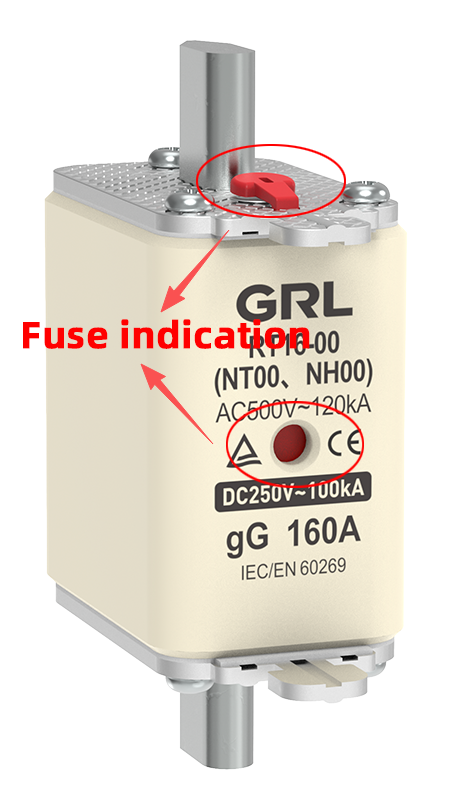
Another common sign is visible damage to the fuse body. In transparent or semi-transparent fuses, the fuse element may appear broken, melted, or discolored. In some cases, burn marks or deformation can be seen on the fuse housing.
In industrial systems, a blown fuse may also trigger alarm signals or fault indicators in control panels or monitoring systems.
How to Tell If a Fuse Is Blown Using a Multimeter
Using a multimeter is the most accurate method to confirm whether a fuse is blown.
First, ensure the power supply is completely switched off and the circuit is safely isolated. Remove the fuse from its holder using proper insulated tools.
Set the multimeter to continuity mode or resistance (ohms) mode. Place the probes on both ends of the fuse.
If the multimeter shows continuity or near-zero resistance, the fuse is still intact. If the reading is infinite resistance or no continuity signal is present, the fuse is blown.
This method applies to cartridge fuses, NH fuses, and most low-voltage industrial fuse types.
Can a Fuse Look Fine but Still Be Blown?
Yes. One of the most common user questions is whether a fuse can appear normal but still be blown.
In some cases, the fuse element may be partially damaged or separated internally without obvious external signs. This is especially true for ceramic or sand-filled fuses designed for high breaking capacity.
For this reason, electrical testing is always recommended when accuracy is required.
How to Safely Check Industrial Fuses
Checking industrial fuses such as NH fuses requires additional safety precautions.
Always disconnect the power supply and follow lockout–tagout procedures before inspection. Use insulated fuse pullers and personal protective equipment to reduce the risk of electric shock or arc flash.
In modern low-voltage switchgear, fuses are often installed in fuse switch disconnectors, allowing safe isolation before fuse replacement. This significantly improves maintenance safety and efficiency.
Why Fuses Blow Frequently
If fuses blow repeatedly, it usually indicates an underlying problem in the system.
Common causes include overloaded circuits, short circuits, incorrect fuse rating, or equipment faults. Replacing a fuse without identifying the root cause may lead to repeated failures or serious safety risks.
Always ensure the replacement fuse has the same type, current rating, and voltage rating as the original fuse.
Fuse vs Circuit Breaker: What’s the Difference?
Users often ask whether a blown fuse is similar to a tripped circuit breaker.
While both devices protect circuits, a fuse must be replaced after operation, whereas a circuit breaker can usually be reset. Fuses generally respond faster to short circuits and provide stronger current-limiting protection, which is why they are widely used in industrial power distribution systems.
Best Practices for Fuse Replacement
When replacing a blown fuse, never install a higher-rated fuse to avoid nuisance blowing. This can compromise system safety and lead to cable or equipment damage.
Using high-quality, certified fuses from reliable manufacturers ensures consistent performance and compliance with international standards.
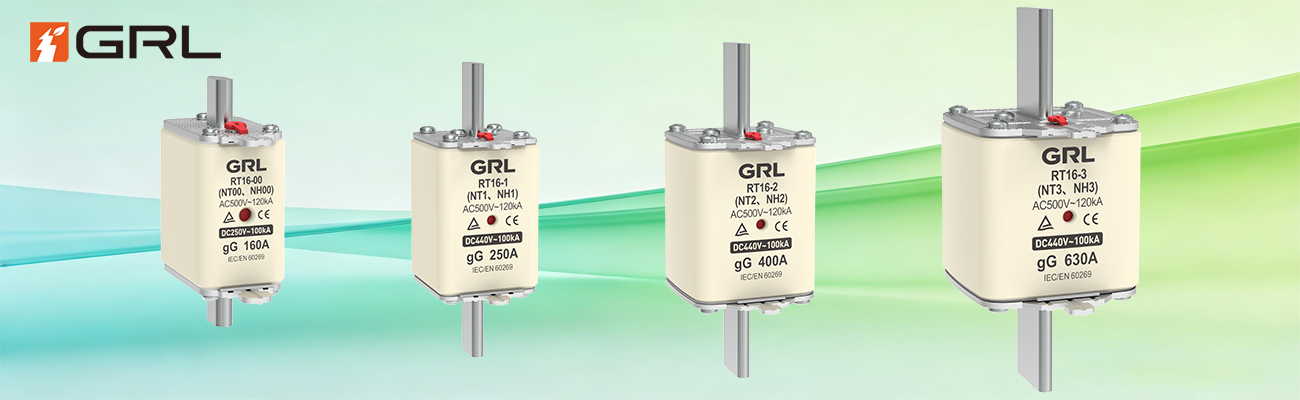
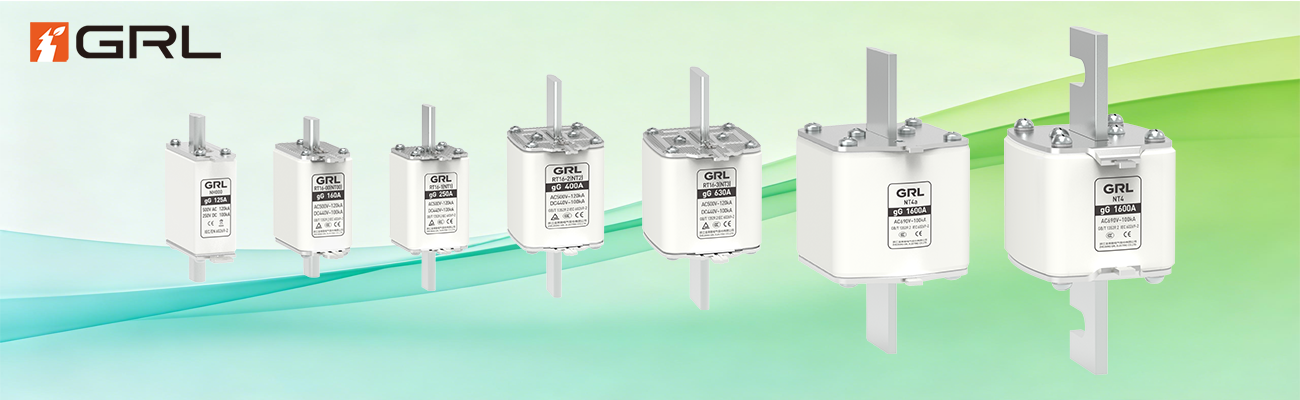
Manufacturers such as GRL Electric provide NH fuse links and fuse switch disconnectors designed for industrial power distribution, renewable energy systems, and busbar applications, helping users achieve both safety and long-term reliability.
Understanding how to tell if a fuse is blown is a basic yet essential skill in electrical maintenance. Visual inspection, multimeter testing, and proper safety procedures together provide a reliable diagnosis method.
A blown fuse should always be treated as a warning signal rather than a simple component failure. By selecting the correct fuse type, using proper installation methods, and working with trusted electrical protection solutions, users can significantly improve system safety and operational stability.