Introduction
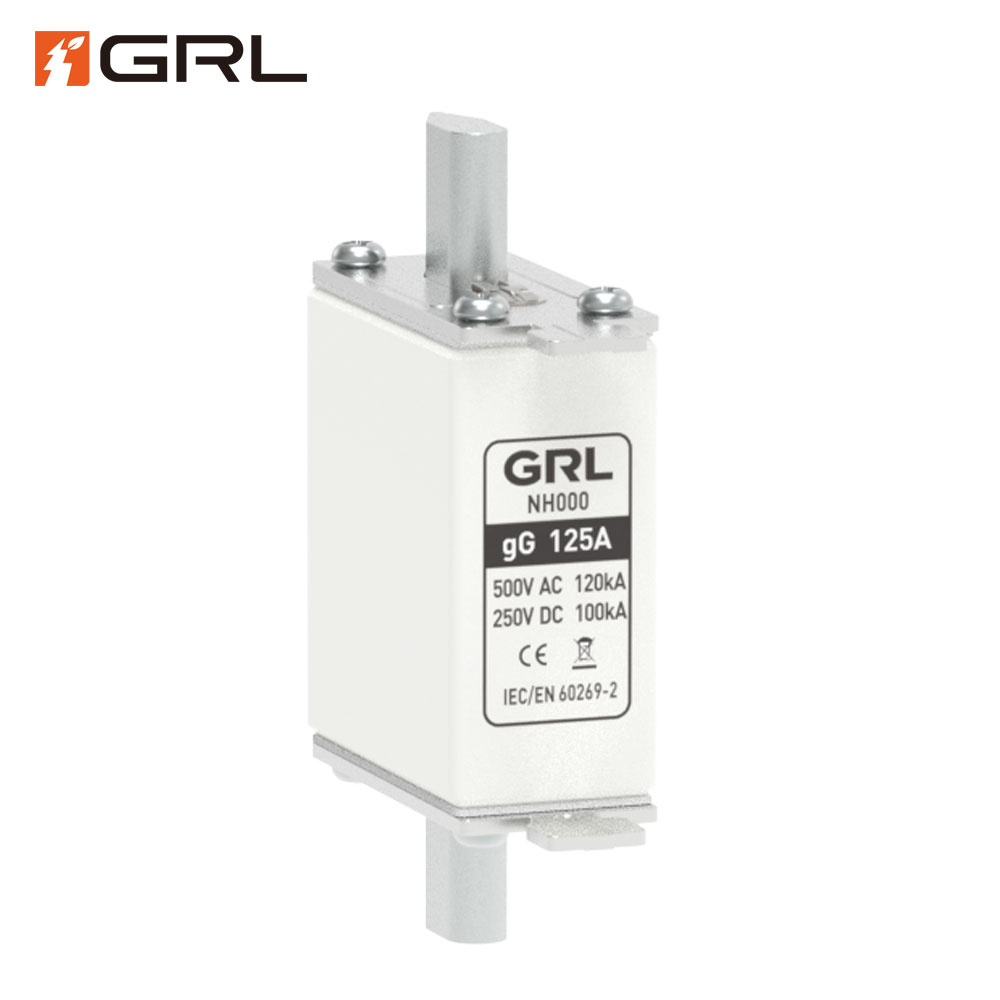
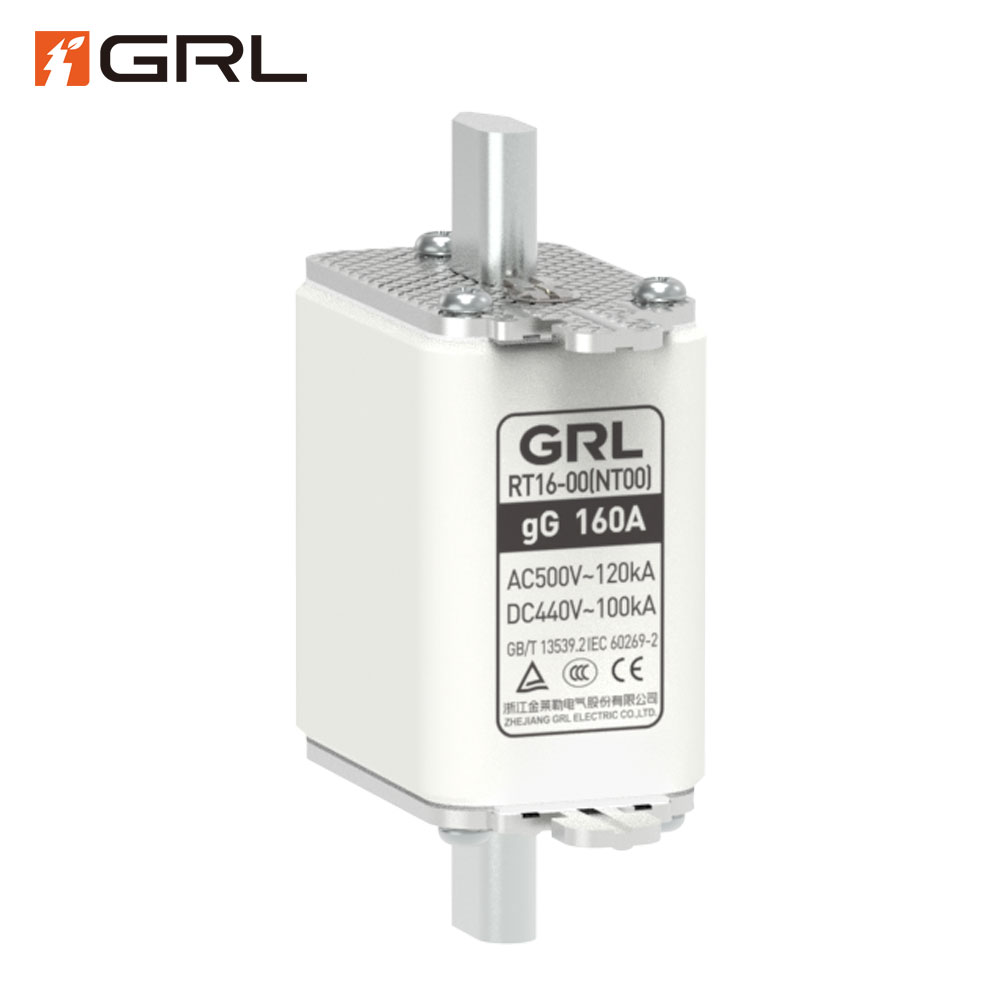
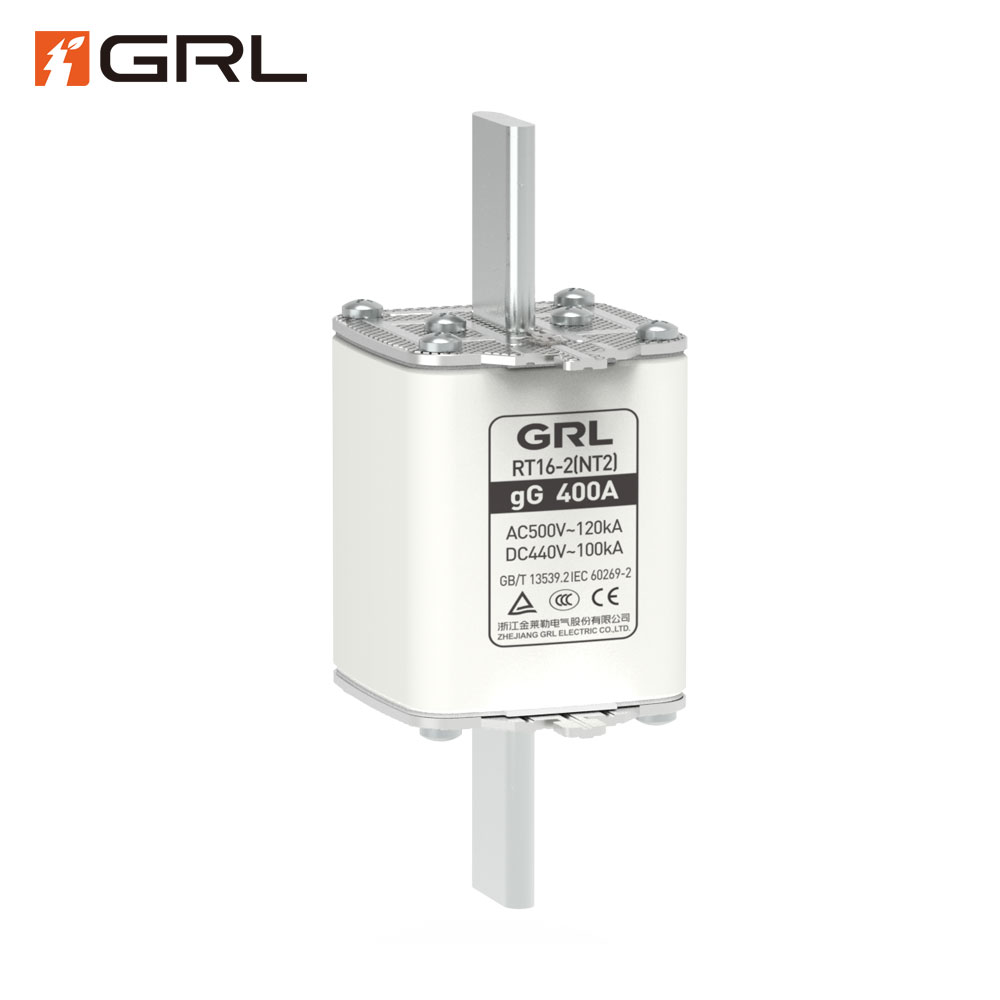
Single-indicator NH fuses (also called NH blade fuses or NH knife blade fuses) are high-performance, low-voltage industrial fuses. They follow the DIN/IEC NH fuse standard DIN 43620 / IEC 60269‑2 and are widely used as industrial safety fuses in power distribution.
An NH fuse has a rectangular ceramic body with blade-style metal contacts on each end. GRL’s NH fuse links incorporate a built-in trip indicator that pops out when the fuse element blows, providing immediate visual feedback of a fault. These one-time fuse links, which require replacement after operation, are rated up to 690 VAC (with common ratings at 500 VAC/690 VAC) and in amperages ranging from a few amps to 630 A or more. They offer full-range (gG) protection against overloads and short circuits, instantly disconnecting a faulted circuit to protect equipment and personnel.
Advantages
GRL’s single-indicator NH fuses combine safety, performance, and versatility for industrial customers:
-
Fast, Reliable Protection: NH fuses have extremely fast interruption (gG full-range) and high breaking capacities (up to 120 kA) for both overload and short-circuit protection. They act as high-current fuses that prevent equipment damage in industrial panels.
-
Visual Fault Indication: The built-in indicator flag pops out immediately when the fuse blows, enabling easy identification of a faulted circuit. This improves maintenance speed and system uptime.
-
Wide Range of Ratings: Available from NH00 through NH3 (and larger sizes), GRL NH fuses cover 2–630 A and voltages up to 690 VAC. Customers can choose the exact NH fuse dimensions needed for panel fuse holders.
-
Robust Construction: Industrial-grade ceramic body and flame-retardant materials ensure each fuse is durable and reliable. The snap-in knife contacts guarantee stable connections under vibration and thermal stress. GRL’s precision manufacturing yields consistent fuse element characteristics and dimensions.
-
Standards Compliance: Conforming to IEC 60269‑2 and DIN 43620, GRL NH fuse links are CE/CCC/TUV certified. They meet global interchangeability standards, simplifying procurement.
-
Versatility: Suitable as panel fuses and switchgear fuses in electrical distribution, energy systems, motor control centers, and transformer protection. They serve as high breaking capacity fuses in switchboards and energy management systems (e.g., panel and busbar protection).
-
Fast Installation: The single-ended indicator models install in any NH fuse holder; when blown, the entire fuse is easily withdrawn. GRL fuses are designed for “fast response” circuit interruption and long-term durability.
By using high-purity copper fuse elements and precision automated manufacturing, GRL NH fuses deliver consistent performance and industrial safety. In summary, these single-indicator NH fuse links offer dependable overload and short-circuit protection in industrial automation settings, with the added convenience of a one-shot visual blown-fuse indicator.
FAQ
What is an NH fuse?
An NH fuse (also called an NH fuse link or NH cartridge) is a low-voltage, high-power fuse designed for industrial applications.
It has a rectangular ceramic housing with blade contacts and is rated to interrupt very high currents. NH fuses are typically one-time (non-resettable) devices used as industrial electrical protection fuses in switchgear and distribution boards. When overcurrent exceeds the fuse rating, the internal fuse element melts, and the circuit is opened.
NH fuses conform to IEC 60269 standards and are often specified for main feeder protection.
What are the characteristics of NH fuses?
NH fuses have a square or oblong ceramic body and blade-style contacts. They offer very high breaking capacity, often exceeding 100 kA, and cover a broad current range (size 00/000 up to NH3 and above, e.g., 6–630 A). Most NH fuses are “gG” type, meaning they provide full-range protection (overload and short circuit).
They are essentially high-current, industrial safety fuses with fast response. GRL NH fuses use high-purity copper or silver elements for fast melt characteristics. Many NH fuses (including GRL’s) include a pop-out blown indicator for visual fault detection. They are widely used in switchgear and panelboard applications to protect cables, motors, and transformers from faults.
What does NH mean?
“NH” stands for the German “Niederspannungs-Hochleistungs”, literally “low-voltage, high-power”.This reflects the fuse’s purpose: it is a high-power fuse intended for low-voltage (typically up to 690 VAC) systems. The term NH highlights the fuse’s suitability for high current protection in low-voltage (LV) electrical networks.
Why choose a single-indicator NH fuse?
A single-indicator NH fuse has its trip flag on one end, which is sufficient for single-phase or symmetric installations. It is typically more compact and used where only one side needs to show fuse status.
How is an NH fuse installed?
NH fuses plug into NH fuse holders (fuse bases) with a matching blade and cover size. The installer simply inserts the fuse blades into the holder; the design allows hot-swap replacement with the proper tool. The fuse holder secures the fuse and connects it to the circuit. When the fuse blows, its indicator and broken element allow easy removal and safe replacement.